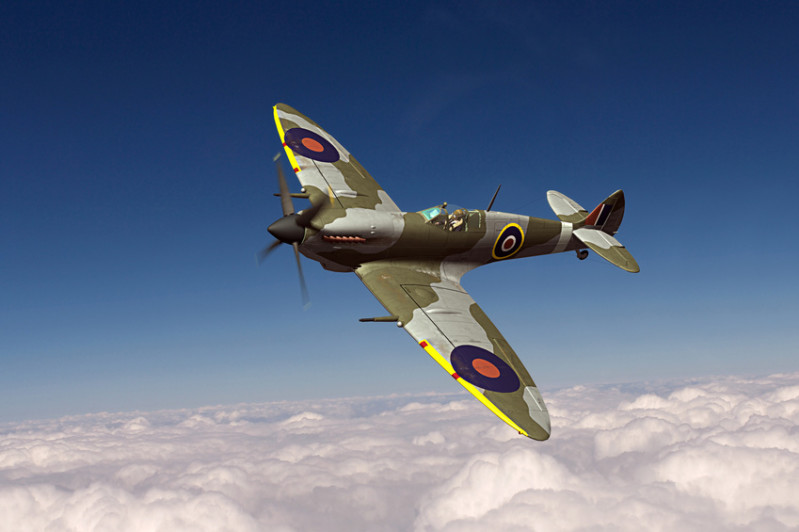
A Unique Forged Part
Victoria Drop Forgings is commissioned to manufacture components for World War 2 Spitfire aircraft restoration — forging a tail leg swivel axle for The Aircraft Restoration Company.
Read MoreIndustry guides, process deep-dives and company news from Victoria Drop Forgings — precision forging specialists since 1904.
Victoria Drop Forgings is commissioned to manufacture components for World War 2 Spitfire aircraft restoration — forging a tail leg swivel axle for The Aircraft Restoration Company.
Read More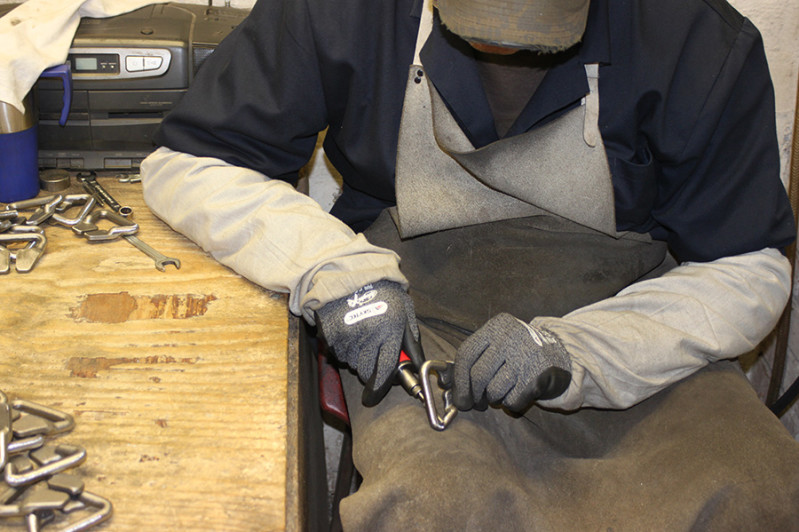
How Victoria Drop Forgings maintains AS9100-compliant quality across all forged parts, from batch cards and dimensional checking to full inspection before dispatch.
Read More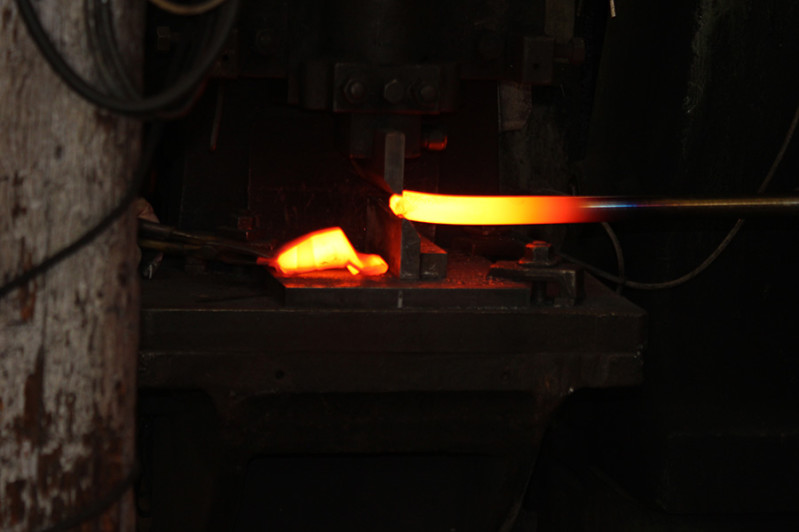
Following forging, components undergo flash trimming, heat treatments including normalising and hardening, de-scaling and rigorous inspection before advancing.
Read More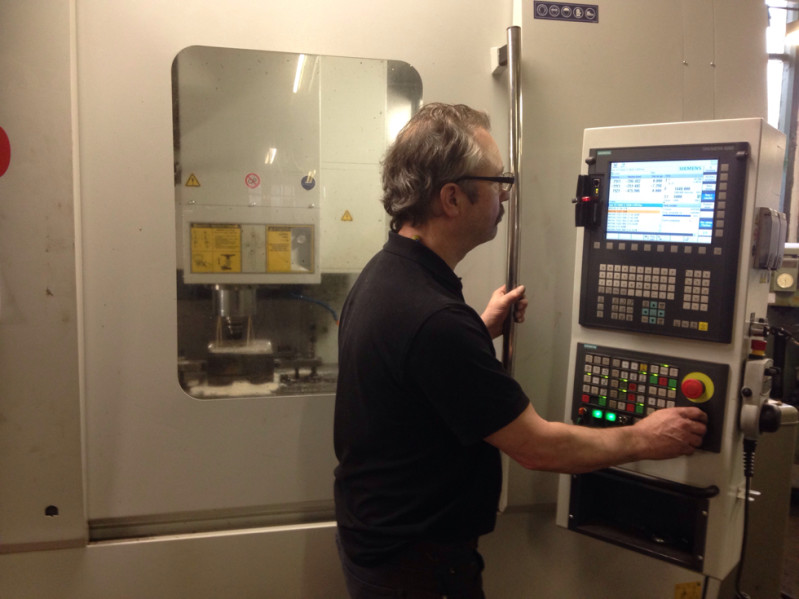
The company invests in a brand new bespoke vertical milling centre (VMC), enabling economical machining of stainless and aluminium forgings alongside traditional closed-die production.
Read More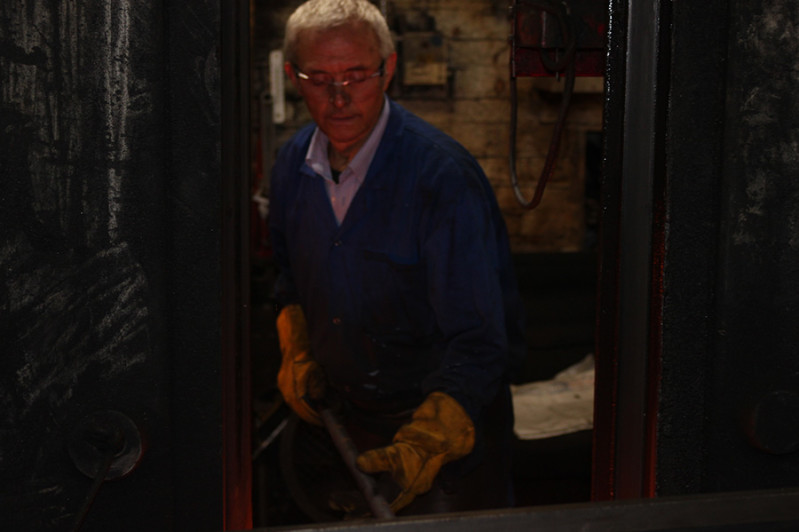
How heated metal is placed within closed dies and shaped through repeated hammering action — why this method delivers superior strength and is cost-effective for production runs.
Read More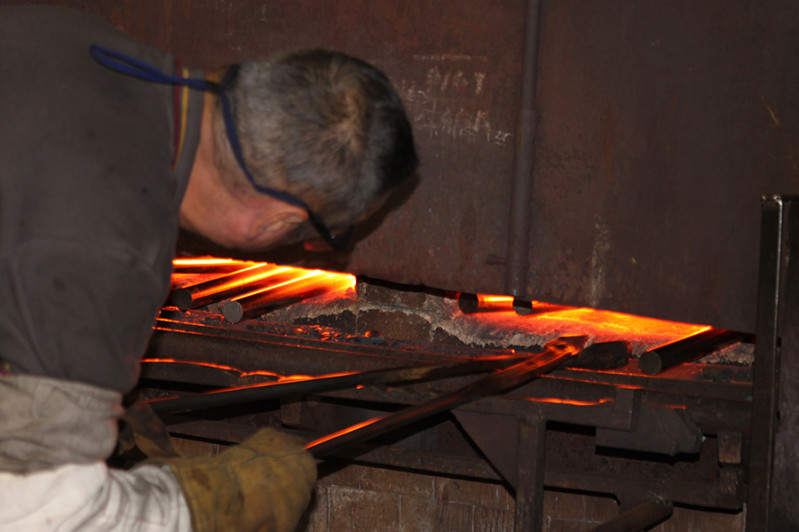
Temperature requirements for aerospace steel (1180°C), commercial steel (1230°C) and brass (720°C) — and why you have just 40 seconds to respond once metal leaves the furnace.
Read More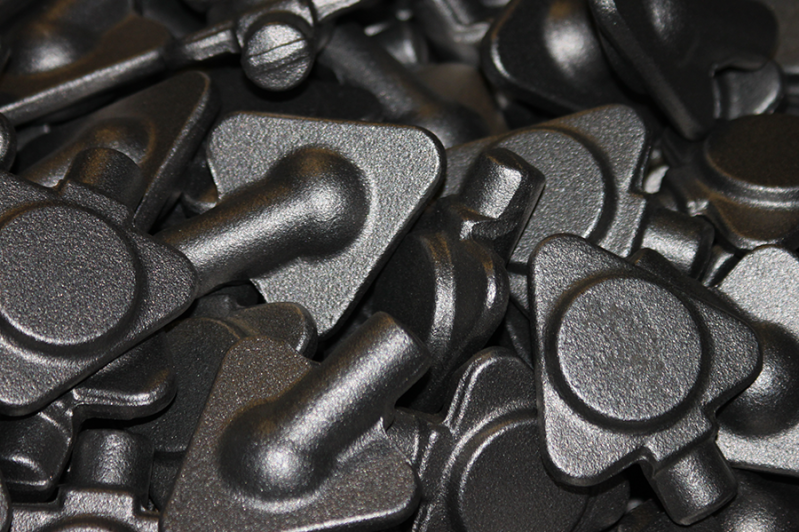
Aluminium for lightweight automotive parts, stainless and carbon steels for fuel lines and hydraulic connectors, copper for high-conductivity electronic components.
Read More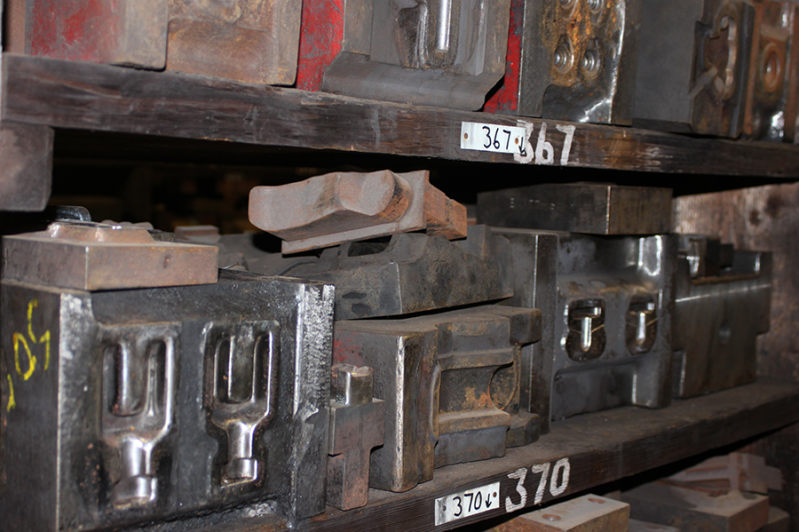
From 3D CAD design and plastic prototype to die cutting — the first step in the closed-die forging process takes 1 to 4 weeks depending on approval timelines.
Read More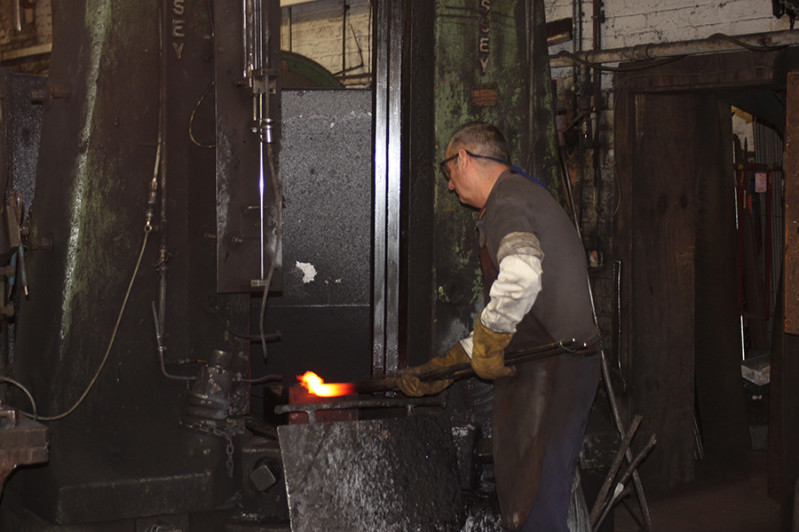
Open-die vs closed-die forging explained — one of the oldest metalworking techniques dating to 8000 BC, used across aerospace, automotive, saddlery and motorcycle manufacturing.
Read More