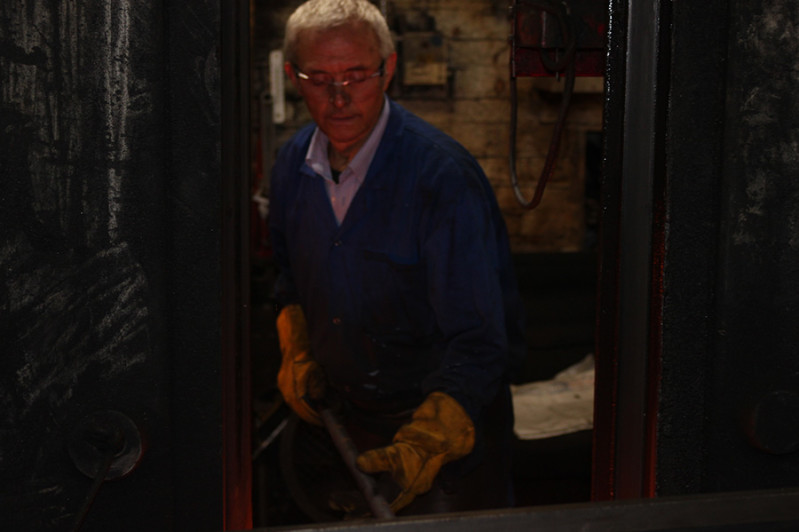
With the mould designed and the right metal selected and heated to temperature, the forging process can begin. This article looks at what happens when the heated metal meets the dies.
What is Closed-Die Forging?
Closed-die forging is the process where dies (moulds) push towards each other, covering the heated metal in whole or in part. Repeating this action transforms the metal into the exact shape of the die cavity.
Why Choose Closed-Die Forging?
- Increases the tightness and strength of the finished product
- Cost-effective for large production runs
- Works with almost all metals including steel, aluminium, brass and copper
The Forging Sequence
After the mould has been created and the correct metal chosen and heated, the forging process begins. The heated billet is transported using specialist tongs and placed within the closed-die forging dies. The raw material used is approximately the same volume as the finished part.
The dies come together, forcing their impact on the heated metal and pushing it into the shape of the mould. This is a hammering process — the dies close multiple times until the metal is fully formed and has filled all areas of the die cavity.
Simple parts may require only a single stroke. More complex components require multiple strokes using edging, blocking and finish forging techniques in sequence.
Victoria Forgings has been providing high-quality forging services since 1904. Contact us today to discuss your forging requirements.